
What is an invisible induction cooktop and how does it work? Kartchen explains the induction heating principle, countertop surface requirements, safety features, and key considerations for proper installation.
Operating Principle & What You Need to Know
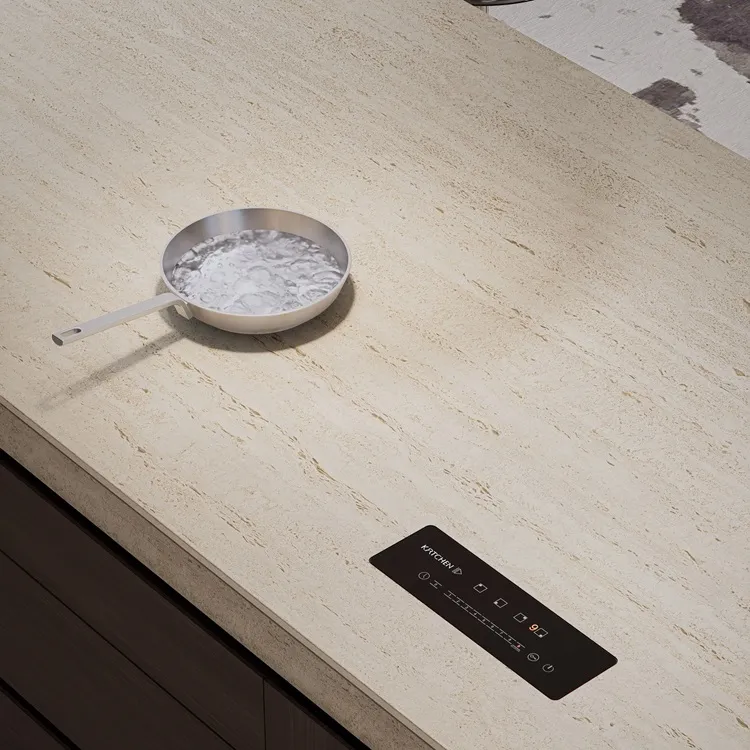
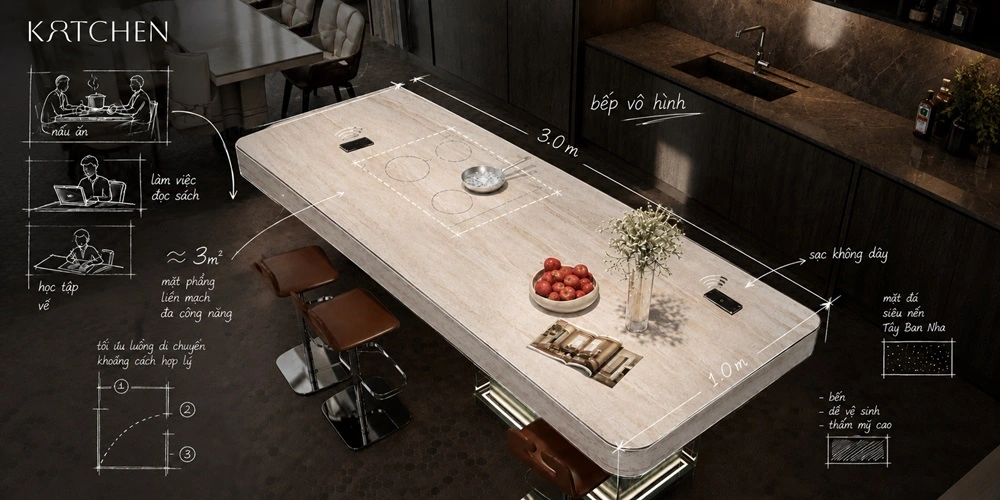
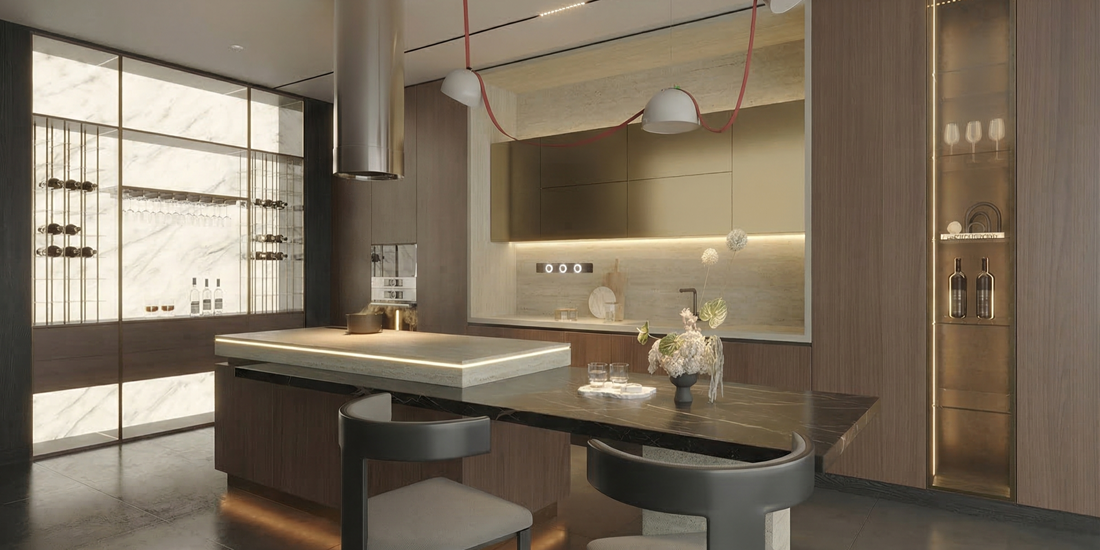
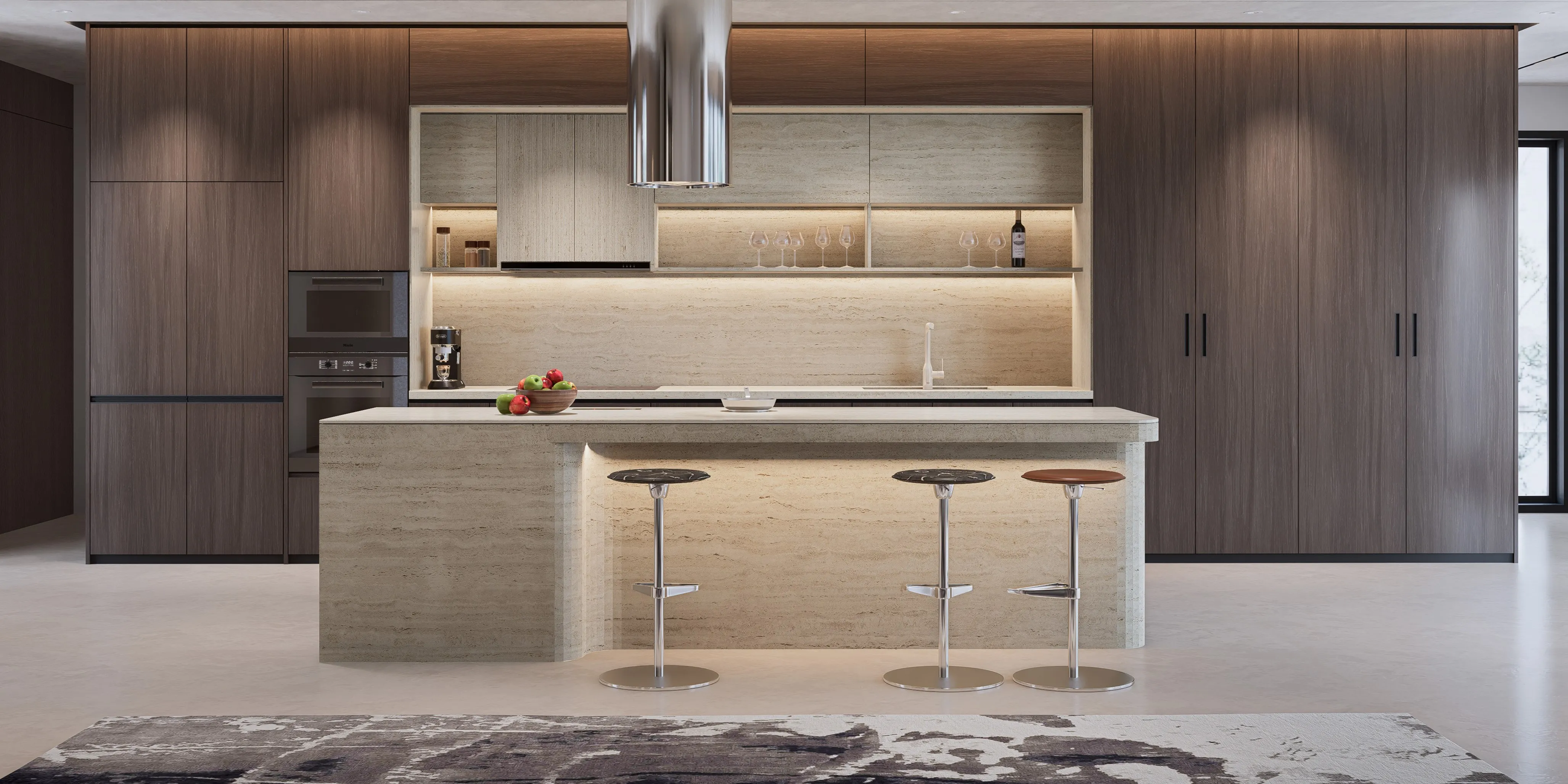
An invisible induction cooktop integrates induction technology beneath the countertop surface, allowing the cooking area to remain almost completely out of sight when not in use. Instead of a separate visible glass cooktop, users see a seamless, uninterrupted surface, while the cooking function is activated at predefined zones beneath it.
Invisible induction cooking integrates induction technology beneath the countertop surface, allowing the cooking area to remain virtually invisible when not in use. Instead of a separate glass cooktop, users see a seamless, uninterrupted surface, while the cooking function is activated within predefined zones beneath the countertop.
What Is an Invisible Induction Cooktop?
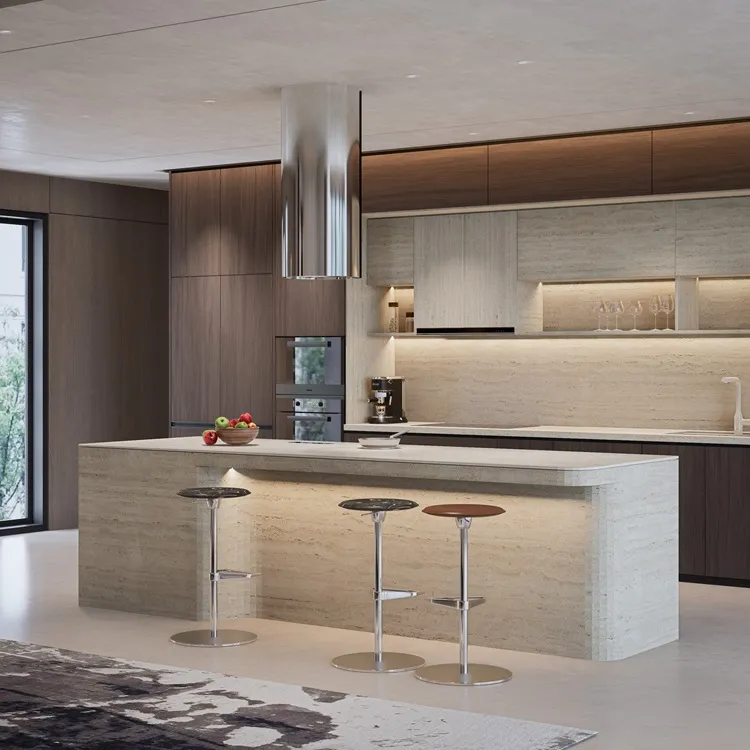
Invisible Induction is an induction cooking system installed beneath a specially engineered countertop surface. Unlike a conventional induction cooktop with a separate visible glass panel, the cooking technology is concealed beneath the surface, allowing the cooking area to blend seamlessly into the interior and virtually “disappear” when not in use.
The key difference lies not in the heating principle itself, but in how the technology is integrated into the countertop. When cooking is required, the predefined cooking zone is activated. Once the system is switched off and the surface has cooled down, the area can continue to be used for other suitable activities.
How Invisible Induction Works
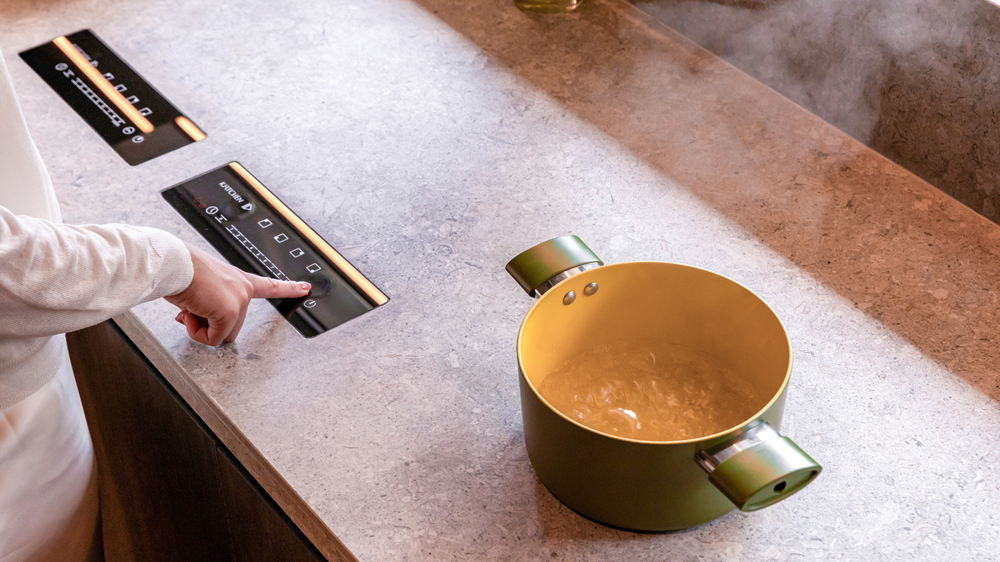
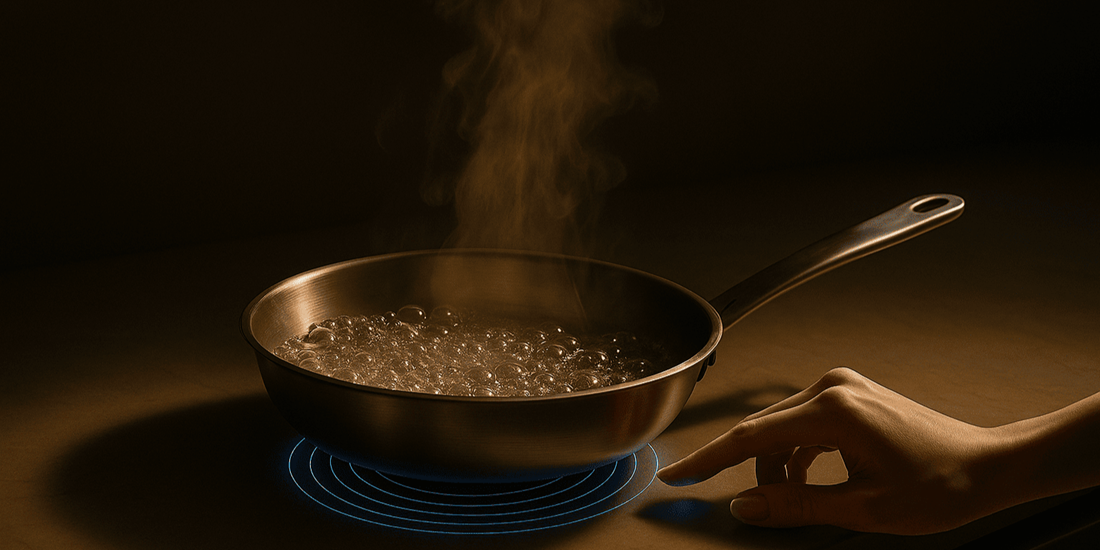
Invisible induction still operates on the principle of electromagnetic induction. When induction-compatible cookware with a magnetic base is placed correctly within the cooking zone, the magnetic field acts on the cookware base and generates heat directly within it.
The countertop itself is not the primary heat source. However, during cooking, some heat from the cookware may transfer back to the surface below. Therefore, “invisible” refers to the way the cooking system is concealed from view; it does not mean that the cooking area remains cool immediately after use.
How Is Invisible Induction Different from a Conventional Induction Cooktop?
The main difference lies not in the heating principle, but in how the system is integrated into the space and how the countertop can be used. Both rely on electromagnetic induction, but invisible induction places the cooking technology beneath a specially engineered surface, allowing the cooking zones to remain virtually hidden when not in use.
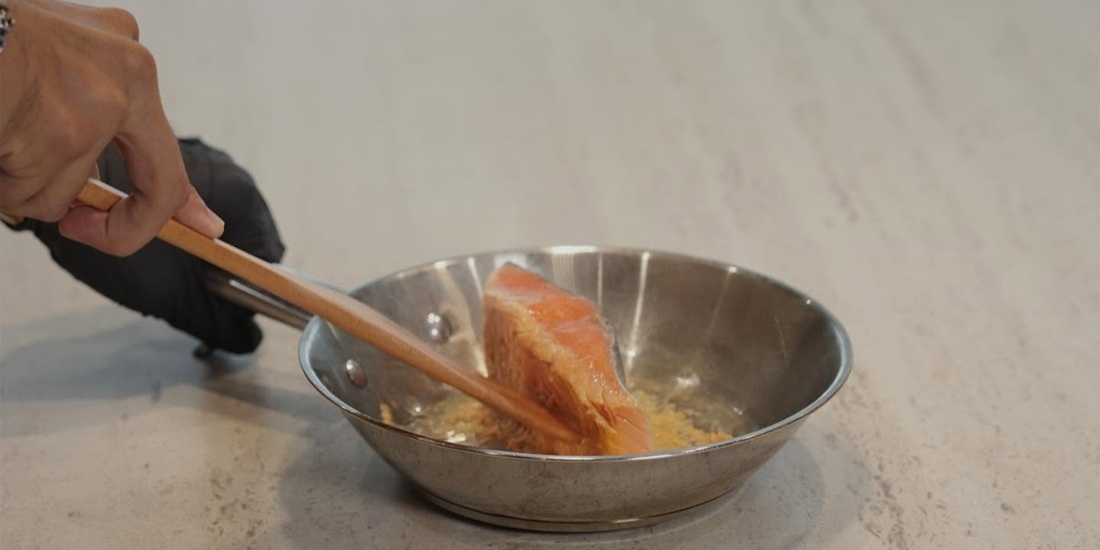
This creates clear advantages in both aesthetics and functionality. Instead of dedicating a fixed area to a visible glass cooktop, the same surface can transition flexibly between cooking, food preparation, dining, or other everyday activities once the system has been switched off and the surface has cooled.
Therefore, the key advantage of invisible induction lies in its ability to conceal the technology without compromising cooking functionality. For spaces that prioritize minimalism, visual continuity, and multifunctionality, it represents a significant step forward from conventional induction cooktop layouts.
Surface Heat and Usage Considerations
A common misconception is that the surface of an invisible induction system never becomes hot. In reality, heat is generated in the cookware, but some of it can transfer back to the countertop during use.
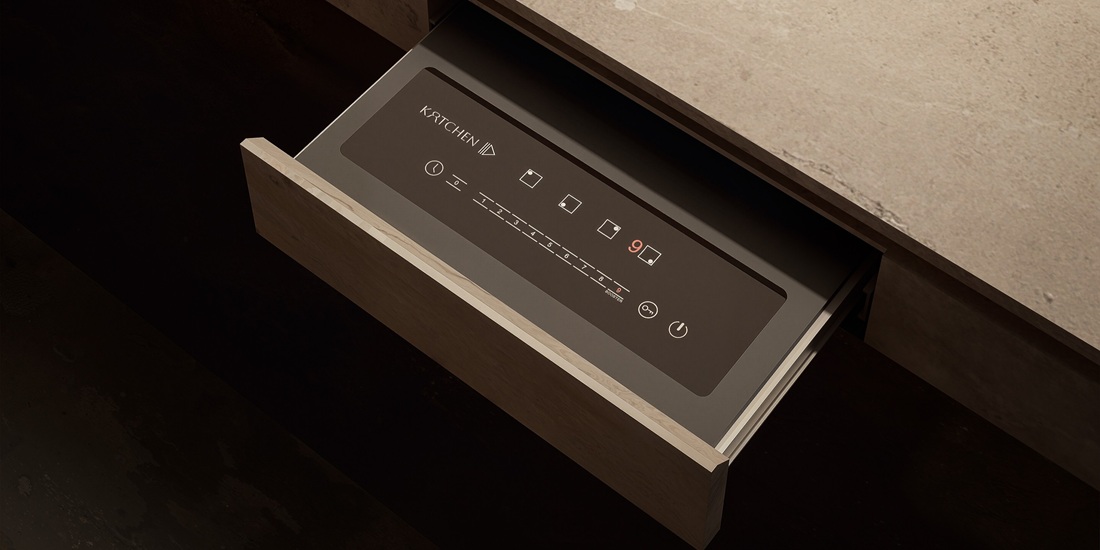
With Kartchen, features such as cookware detection, temperature sensing, timers, and child lock help users maintain better control throughout the cooking process. After switching off the system, it is advisable to allow the cooking area to cool before touching it directly or placing heat-sensitive items on the surface.