
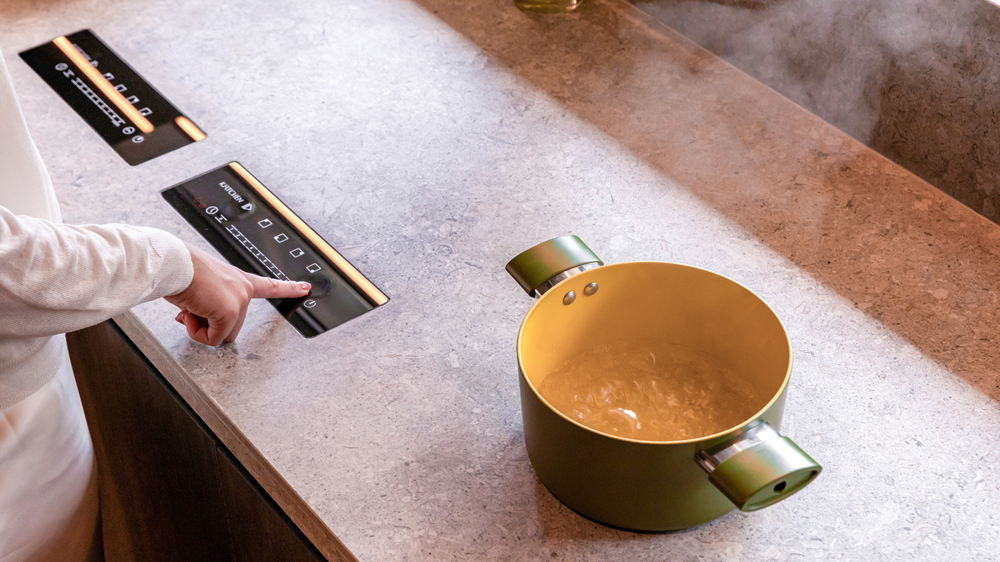
Invisible induction keeps the countertop seamless, optimizes usable space, and creates a modern minimalist kitchen with cooking technology integrated beneath the surface.
Invisible induction is becoming an ideal solution for modern kitchen spaces, where cooking technology is integrated beneath the countertop to preserve a seamless surface. With visible appliances removed from view, the kitchen feels more minimal, flexible, and naturally connected to the architecture of the surrounding living space.
A beautiful kitchen is therefore not defined only by materials, colors, or carefully considered details. Its true value also lies in how comfortably and naturally the space supports everyday living.
A Beautiful Kitchen Begins with a Seamless Surface
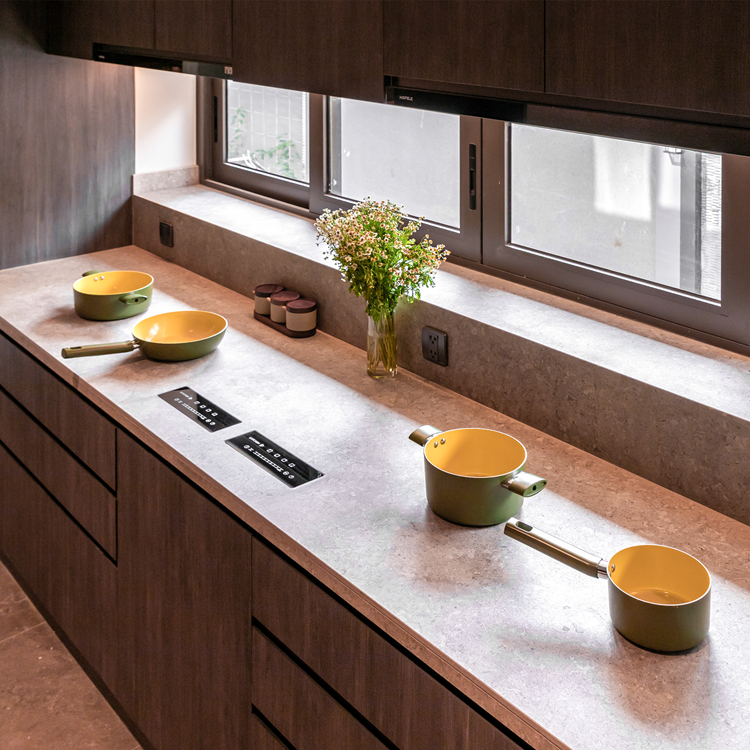
Modern kitchen design increasingly focuses on reducing visual interruptions, allowing materials and architecture to take center stage.
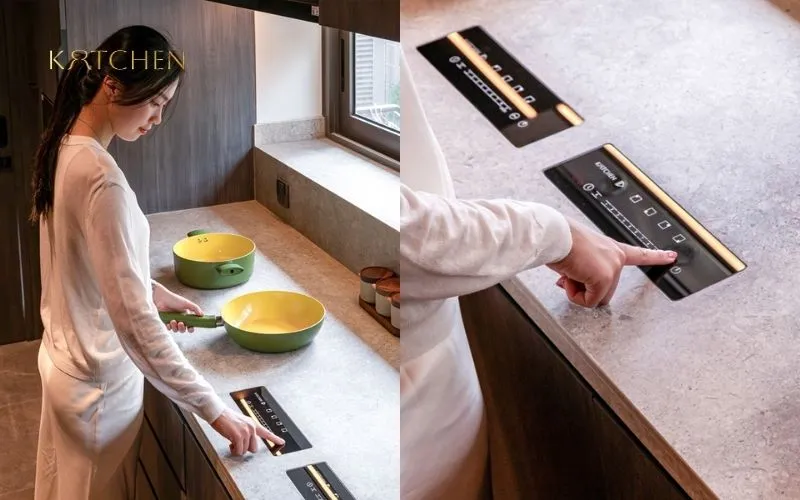
Instead of placing a separate glass cooktop on the countertop, invisible induction integrates the cooking system beneath a compatible surface. When not in use, the cooking area visually blends into the surrounding countertop, allowing materials, colors, and architectural lines to remain uninterrupted.
This seamless approach does more than create a minimalist appearance. It can also make the kitchen feel lighter, more spacious, and better connected to surrounding areas, particularly in open-plan kitchens and central kitchen islands.
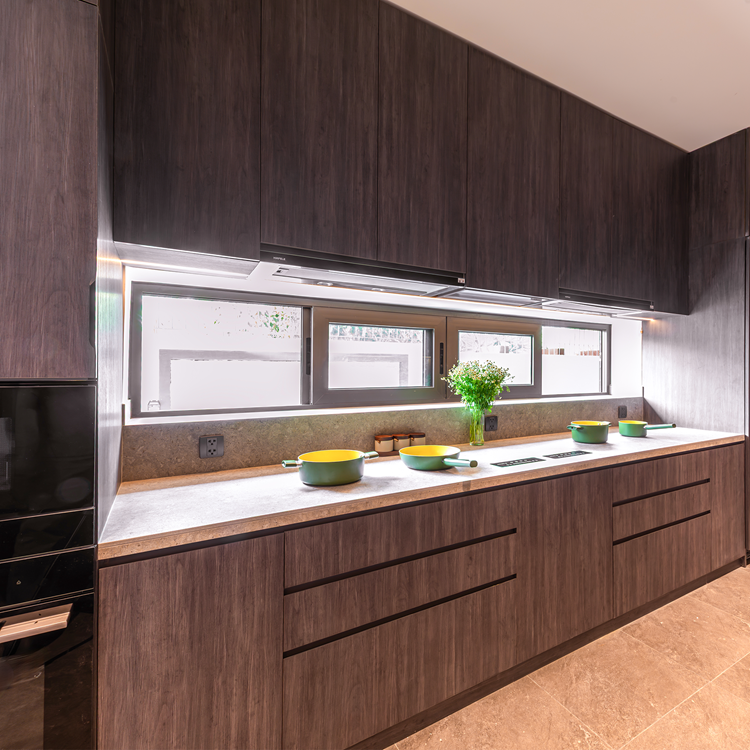
Invisible Induction Keeps Appliances Out of Sight
With a conventional induction cooktop, the glass surface, cooking zones, and controls are typically visible on the countertop, making the appliance a distinct visual element within the kitchen.
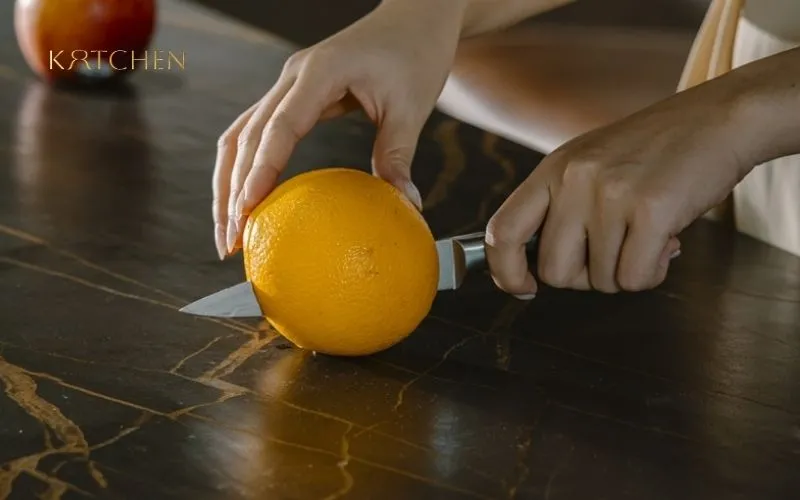
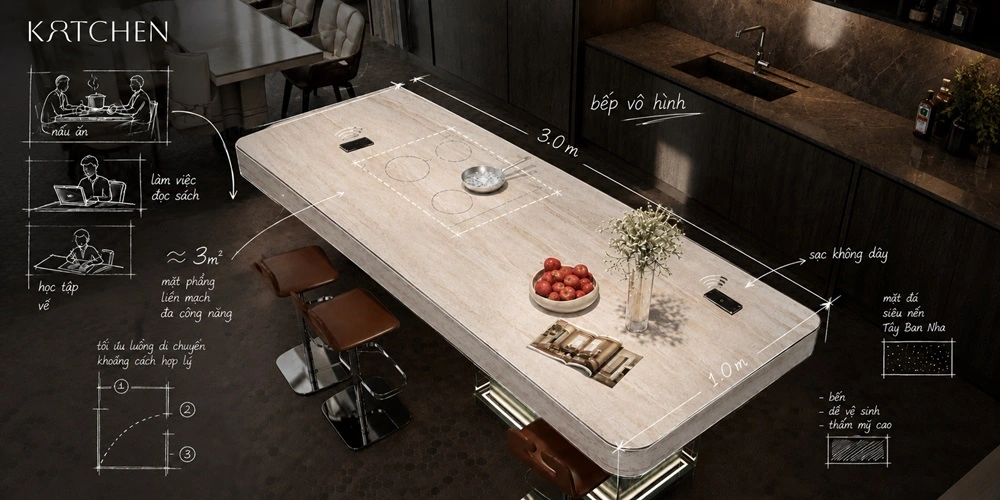
With invisible induction technology, the cooking system is integrated beneath the surface. When needed, the area becomes an active cooking zone. Once cooking is finished, the countertop can continue to be used for food preparation, serving, or everyday activities.
As a result, one surface can serve multiple purposes without making the kitchen feel dominated by appliances.
This is one of the defining advantages of an under-countertop induction system: the cooking function remains fully available while the technology itself becomes less visually prominent.
When Cooking Becomes Part of the Experience
A well-designed space can change the way everyday activities are experienced.
When the countertop is more open, visual interruptions are reduced, and functions are organized efficiently, preparing a meal can feel more comfortable and effortless.
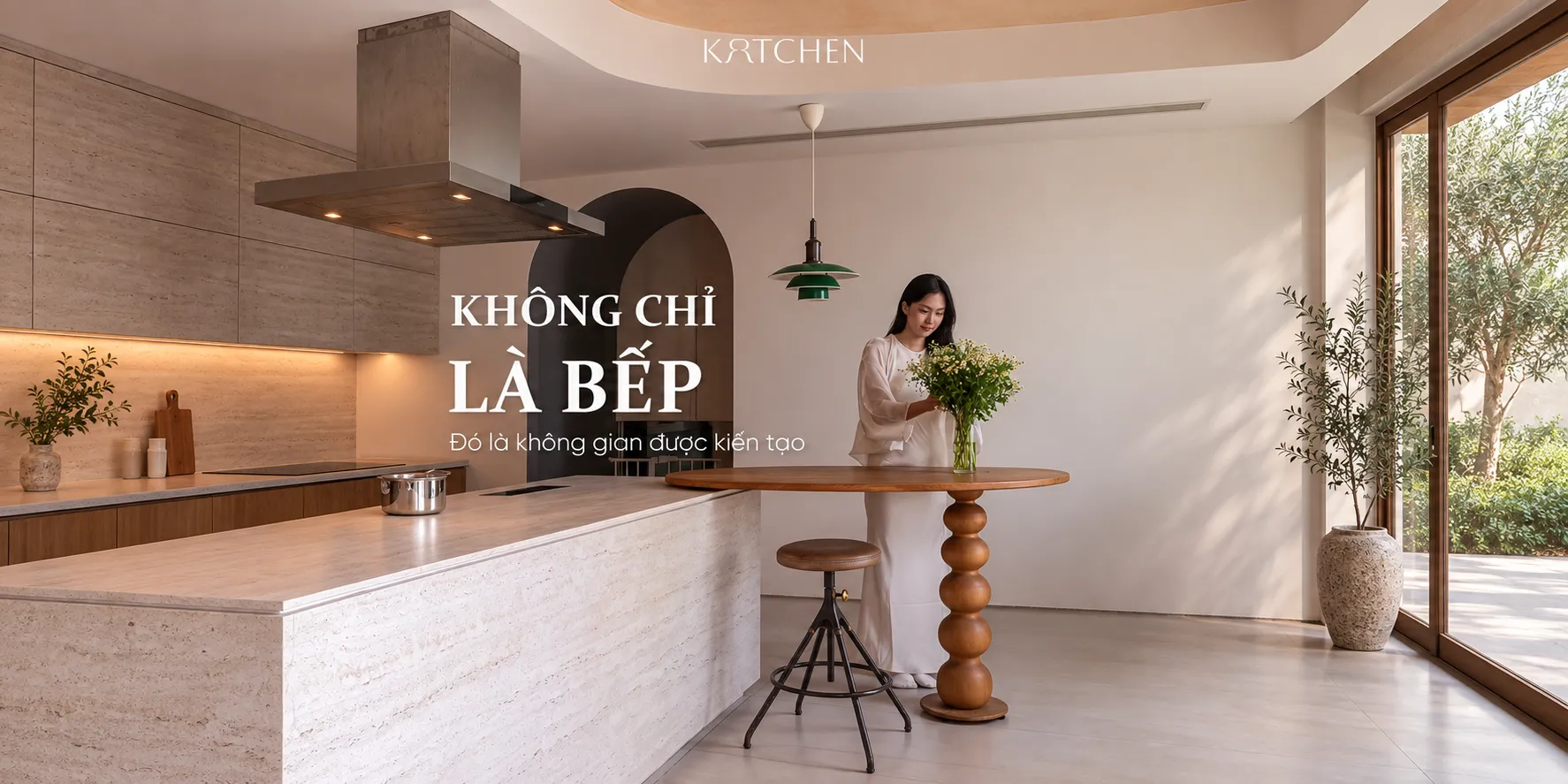
The kitchen is no longer simply a place to complete cooking tasks. It can also become a place to prepare morning coffee, spend time with family, arrange flowers, enjoy a light meal, or simply take a quiet moment during the day.
A beautiful kitchen is therefore not only one that looks impressive in photographs. What matters more is how the space feels and functions every day.
Why Invisible Induction Works for Modern Kitchen Design
Contemporary interiors increasingly emphasize minimalism, seamless surfaces, and flexible use of space.
Invisible induction aligns naturally with this approach because the cooking technology is positioned beneath the surface, allowing the visible design to focus on materials and architecture.
The countertop can remain the visual centerpiece of a kitchen island. Cabinetry, lighting, colors, and interior lines are not interrupted by a separate appliance placed on top.
This makes invisible induction particularly suitable for villas, penthouses, luxury apartments, open-plan kitchens, and central kitchen islands where visual continuity plays an important role in the overall design.
Kartchen Invisible Induction – When Technology Blends into Architecture
At Kartchen, invisible induction is not simply about hiding an appliance beneath the countertop.
The solution is considered as part of the overall architectural composition, from the selected surface and cooking-zone placement to the number of cooking zones, kitchen island layout, and individual requirements of each homeowner.
Rather than allowing technology to become a separate visual element, Kartchen focuses on integrating functionality naturally into the space itself.
When everything you need remains present without demanding attention, the kitchen has more room to express its materials, lighting, proportions, and the individual character of its owner.
When functionality no longer needs to be displayed, the space can fully reveal itself.
Frequently Asked Questions About Invisible Induction
What is invisible induction?
Invisible induction is a cooking solution in which the induction system is integrated beneath a compatible countertop instead of using a separate visible glass cooktop. When not in use, the cooking area visually blends into the surrounding surface.
Can invisible induction be integrated into a kitchen island?
Yes. Kitchen islands are particularly suitable for invisible induction because the same surface can function as a cooking area when needed and remain available for other activities when the system is not in use.
What types of spaces are suitable for invisible induction?
Invisible induction is well suited to interiors that prioritize minimalism and visual continuity, including villas, penthouses, premium apartments, open-plan kitchens, and central kitchen islands.
Is invisible induction the same as under-countertop induction?
The terms invisible induction, hidden induction, and under-countertop induction are commonly used to describe cooking systems positioned beneath the work surface rather than on a visible cooktop above it.
A Beautiful Kitchen for Beautiful Moments
Would you like a kitchen where technology remains present without taking over the visual experience?
Discover Kartchen Invisible Induction and explore a solution tailored to your space, cooking requirements, and interior design.