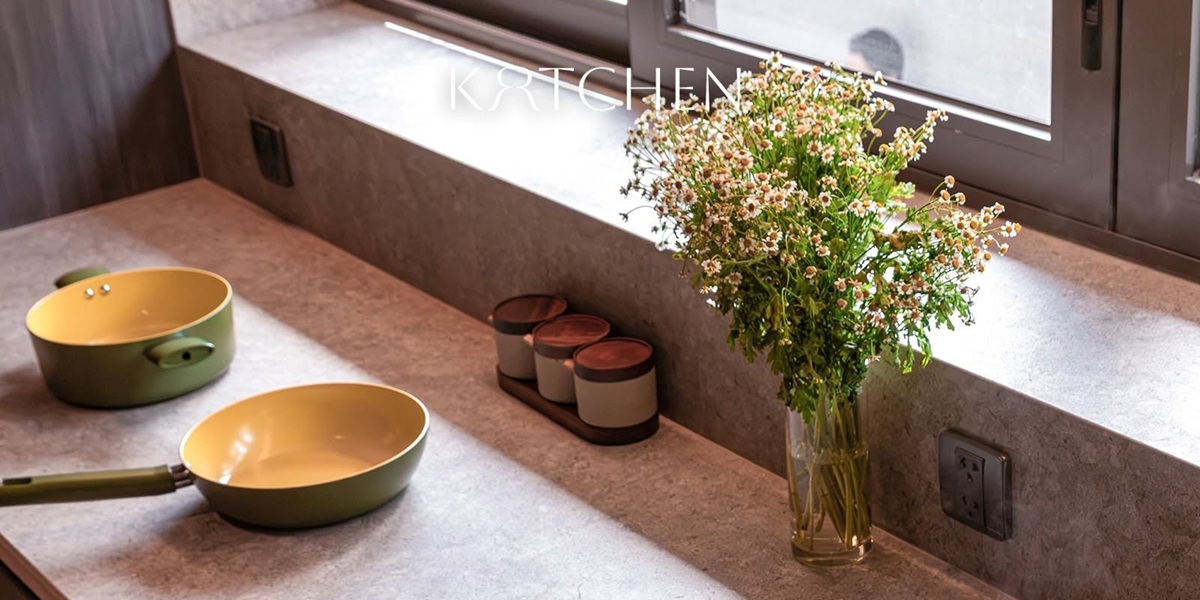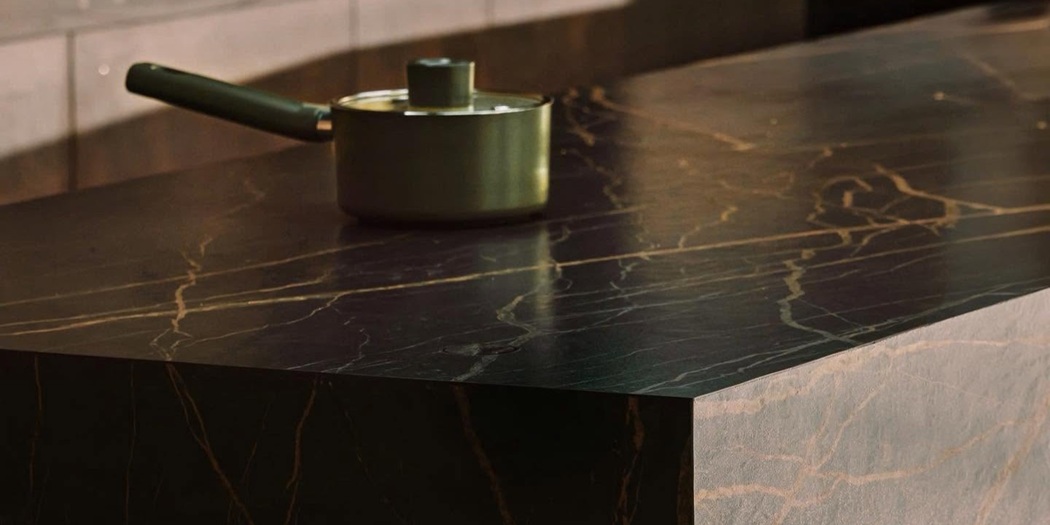

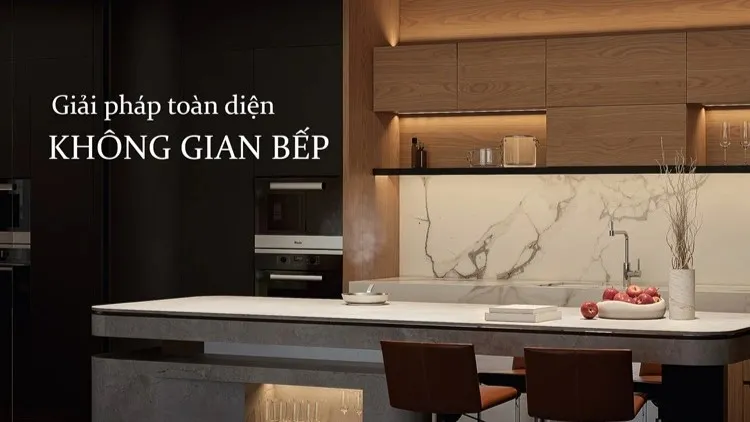
Invisible Induction is a cooking solution that integrates induction technology beneath a compatible countertop, keeping the surface seamless while maintaining full cooking functionality.
Invisible Induction is a cooking solution in which induction technology is integrated beneath a compatible countertop instead of appearing as a separate appliance on the surface.
This allows the kitchen to maintain a clean, continuous worktop when cooking is not in use, while the induction system remains ready whenever needed.
How Does Invisible Induction Work?
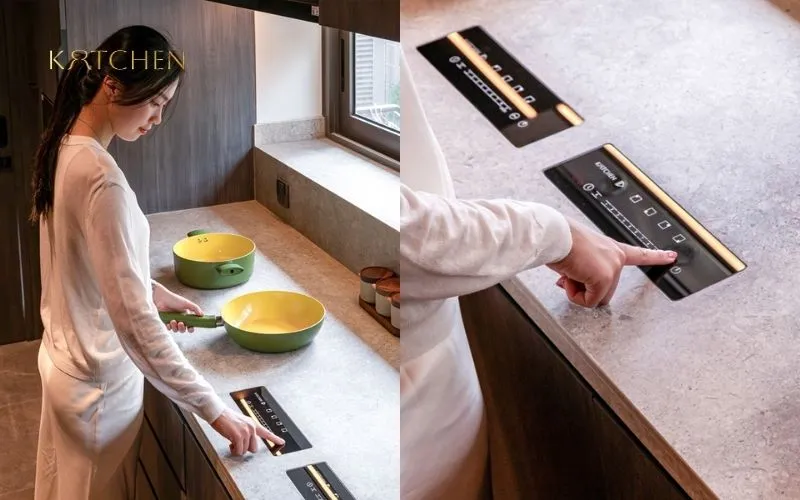
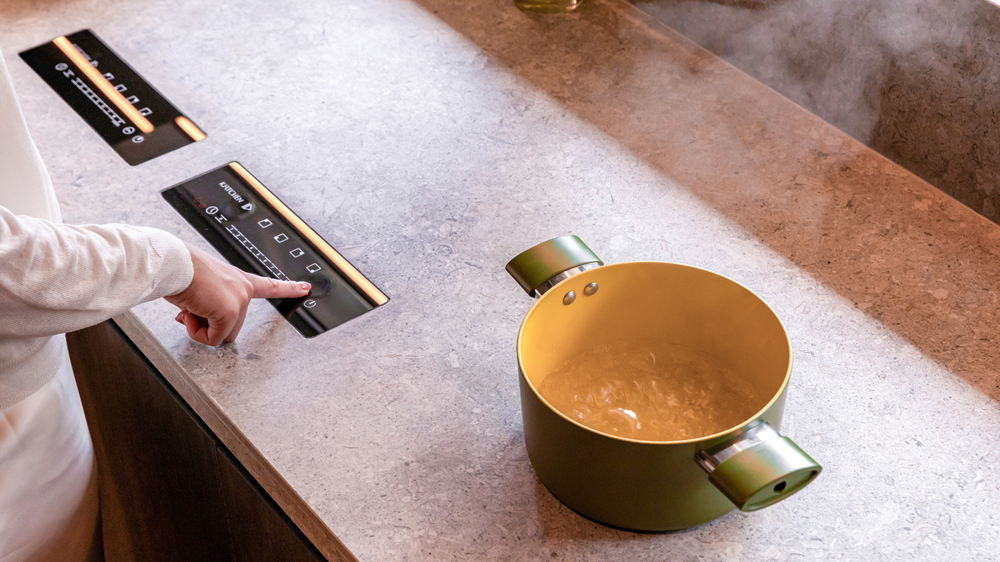
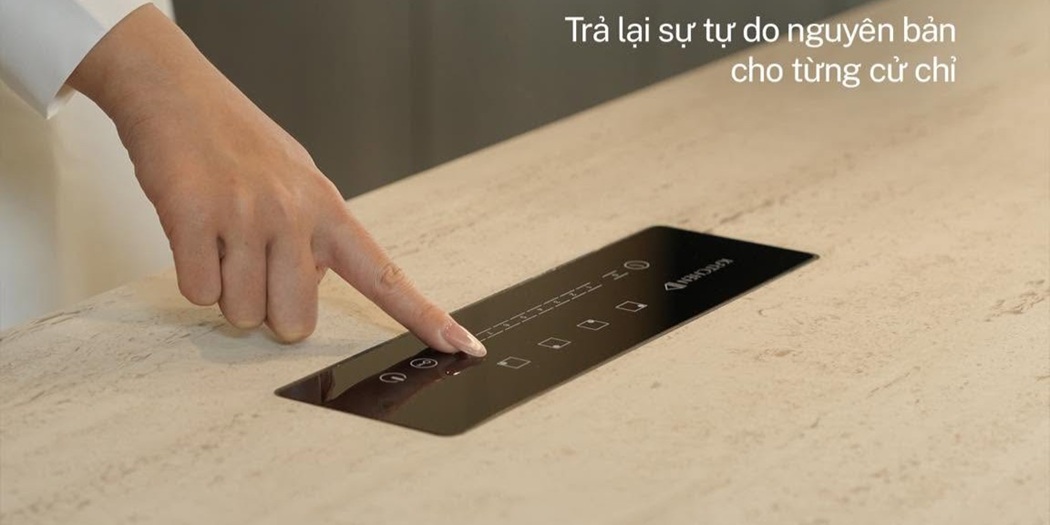
With Invisible Induction, the induction modules are installed beneath a specially compatible surface. When activated, electromagnetic energy is transferred to suitable cookware positioned over the designated cooking zones.
The most visible difference compared with conventional induction systems is the absence of a separate glass cooking surface on top of the countertop.
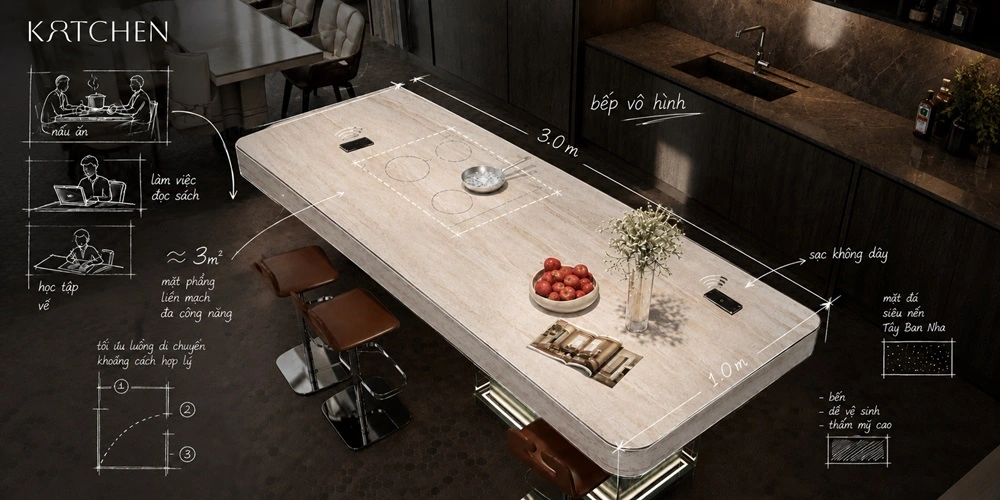
When cooking is finished, the same area can continue to function as part of the worktop for food preparation, serving and other everyday activities.
Is Invisible Induction the Same as Hidden Induction?
Terms such as Invisible Induction, hidden induction, under-surface induction and induction beneath the countertop are often used to describe cooking solutions in which the induction technology is installed below the visible surface.
What these systems have in common is that the technology is moved out of sight, allowing the countertop material and architectural lines to remain visually uninterrupted.
“invisible” does not mean that functionality disappears. The technology remains fully present — it is simply integrated more discreetly into the architecture of the kitchen.
Does Invisible Induction Still Provide Full Cooking Functionality?
Beneath a surface that appears completely minimal can be a fully functional induction cooking system.
Depending on the configuration, an Invisible Induction system can include multiple cooking zones, adjustable power levels, dedicated controls and safety features designed to support everyday cooking.
This makes it possible to maintain a minimalist kitchen aesthetic without sacrificing practical cooking performance.
Why Is Invisible Induction Suitable for Modern Kitchens?
One of the key advantages of Invisible Induction is its ability to reduce the visual presence of kitchen appliances.
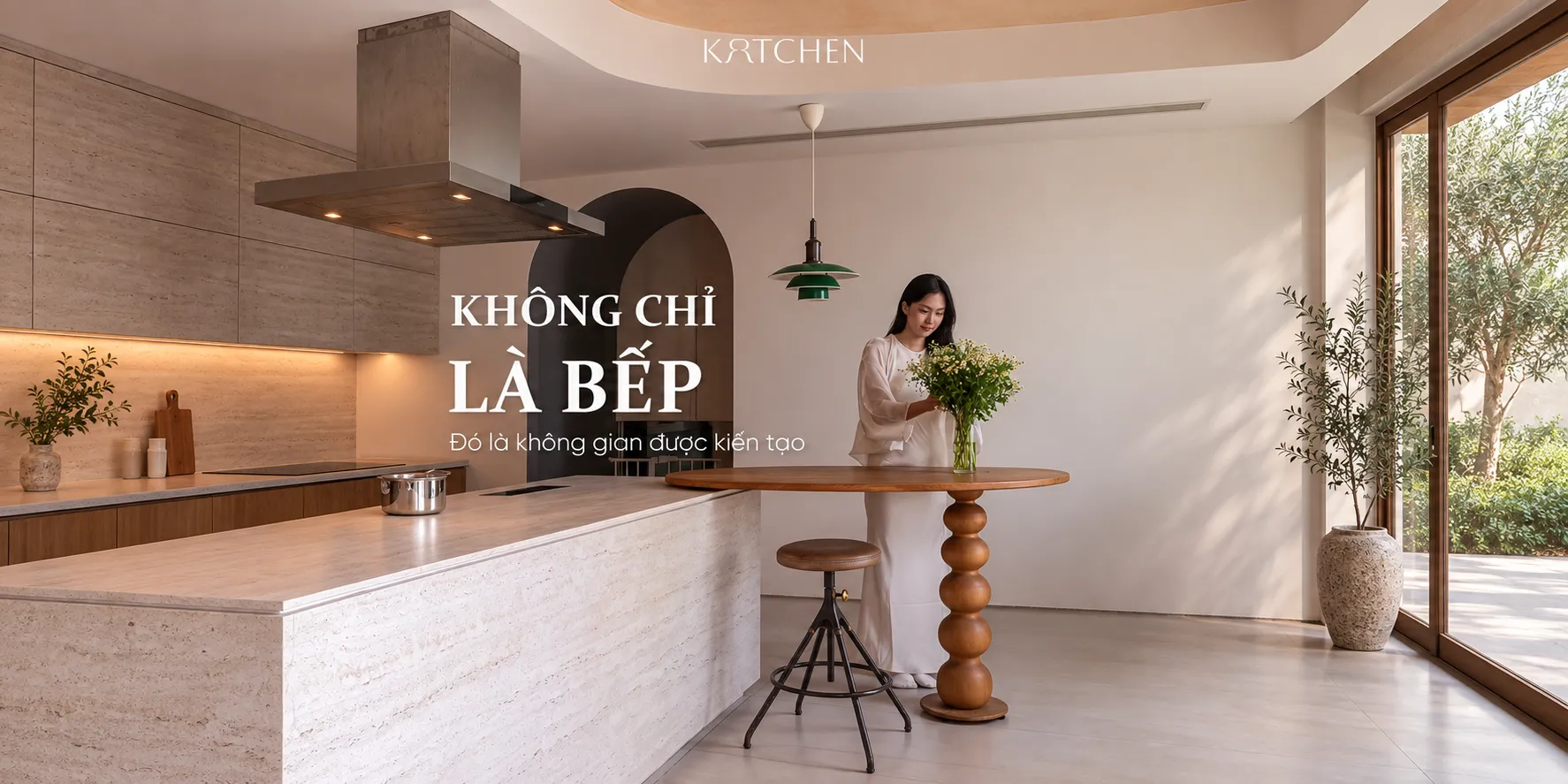
Instead of having a separate cooking appliance interrupt the worktop, the surface can remain consistent in material, colour and architectural expression.
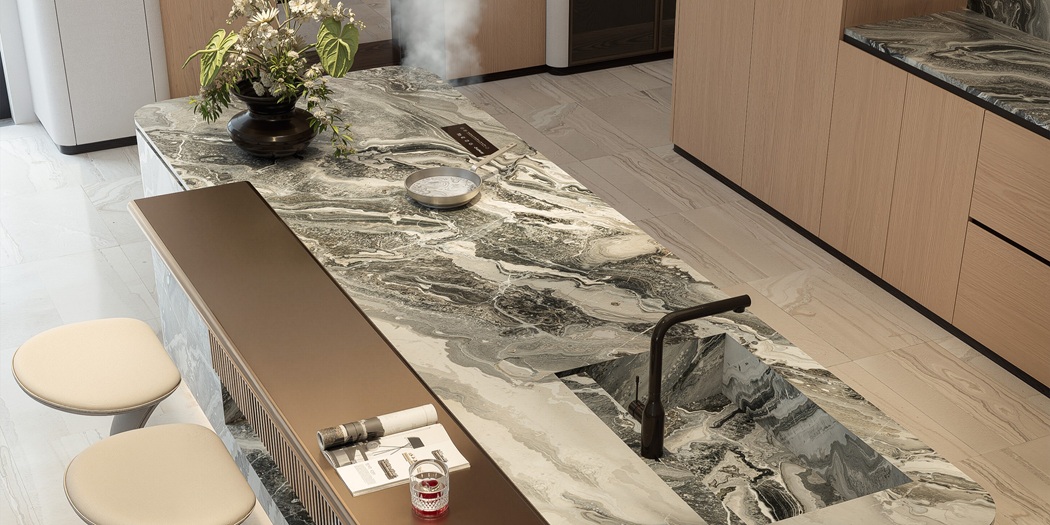
This is particularly suitable for kitchen islands, open-plan kitchens and interiors where visual continuity is a central part of the design.
When the cooking zones are not in use, the same surface can also support other daily activities, helping homeowners make more flexible use of their kitchen space.
Kartchen Invisible Induction – When Function Becomes Part of Architecture
At Kartchen, Invisible Induction is not simply about concealing an appliance beneath a countertop.
The solution is approached as part of the entire kitchen environment, bringing together induction technology, surface materials, kitchen islands and customised configurations based on the requirements of each project.
The number of cooking zones, their placement and the overall integration can be considered according to countertop dimensions, cooking habits and the architectural language of the space.
The goal is to keep everything essential within reach while allowing technology to step away from visual attention.
Who Is Invisible Induction Suitable For?
Invisible Induction is particularly suitable for interiors that prioritise minimalist design, seamless surfaces and multifunctional spaces.
It can be incorporated into villas, penthouses, premium apartments, central kitchen islands and open-plan living environments where the kitchen forms a visible part of the wider interior.
Choosing the right solution should also take into account cooking requirements, countertop dimensions and the compatibility of the selected surface material with the induction system.