
--What Is an Under-Countertop Induction Cooktop? Is It the Same as Invisible Induction?
Are under-countertop induction and invisible induction the same? Explore how the technology works, how it differs from conventional built-in induction cooktops, and the key considerations before installation.
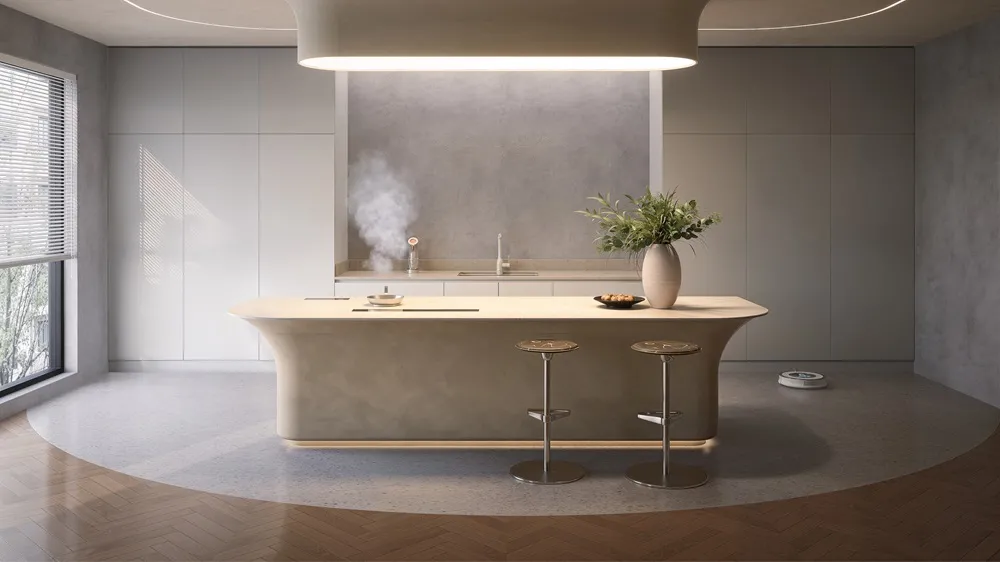
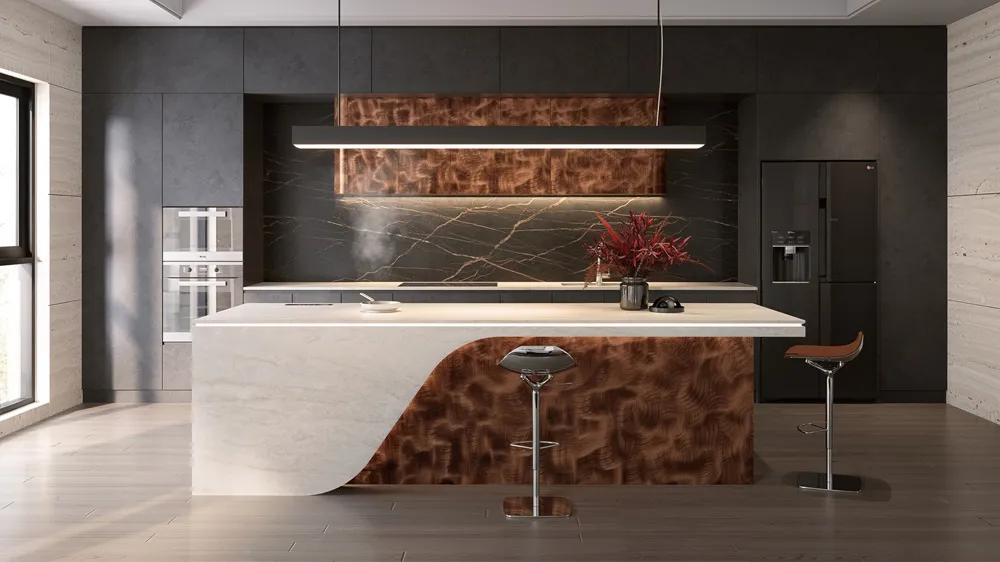
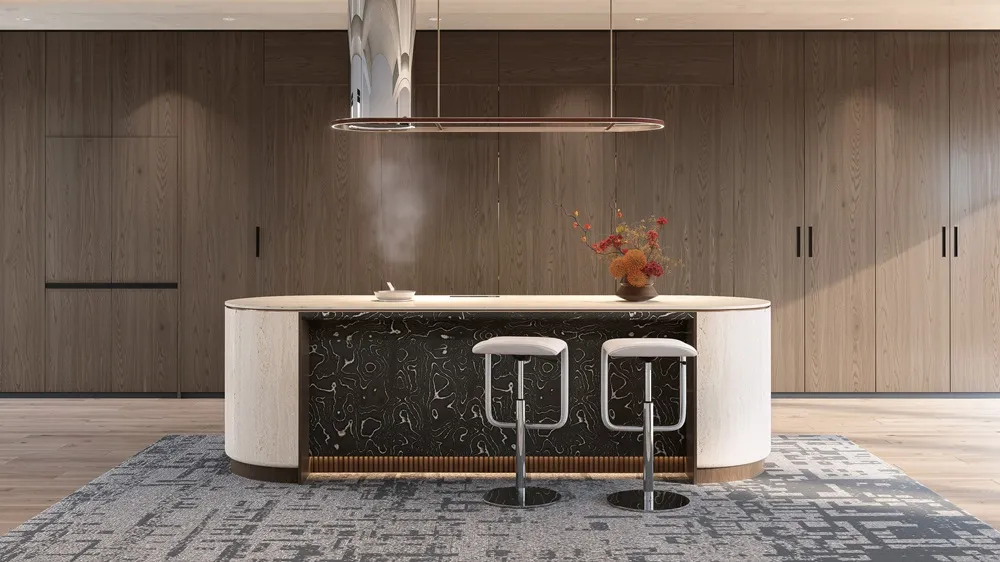
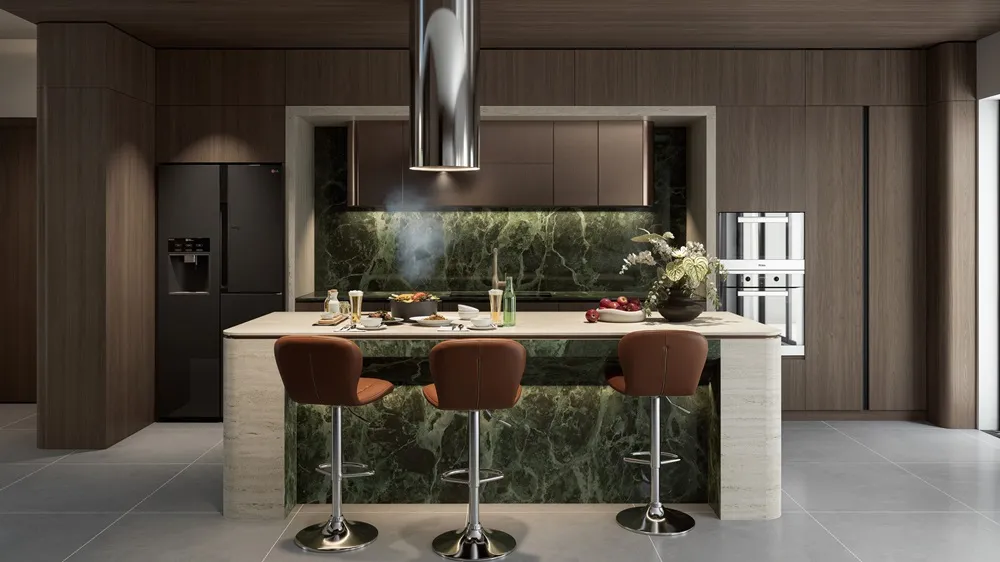
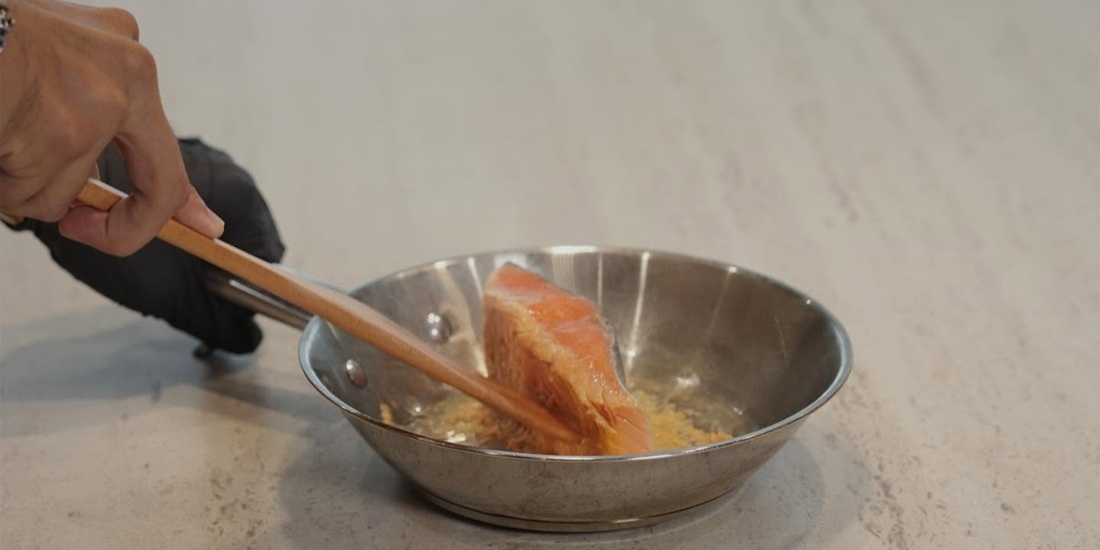
A seamless surface with no separate glass cooktop in sight. Yet when needed, that very same area becomes a cooking zone.
That is why terms such as under-countertop induction, under-surface induction, hidden induction, and invisible induction are becoming increasingly common.
In general usage, these terms often refer to the same type of solution: induction technology installed beneath a compatible surface so that the cooking zones remain virtually hidden when not in use.
However, a “built-in induction cooktop” and an “under-countertop induction cooktop” are not exactly the same thing. This is the most important distinction to understand.
What Is an Under-Countertop Induction Cooktop?
An under-countertop induction cooktop refers to a system in which the induction technology is installed beneath a compatible surface instead of using a separate glass cooktop above it.
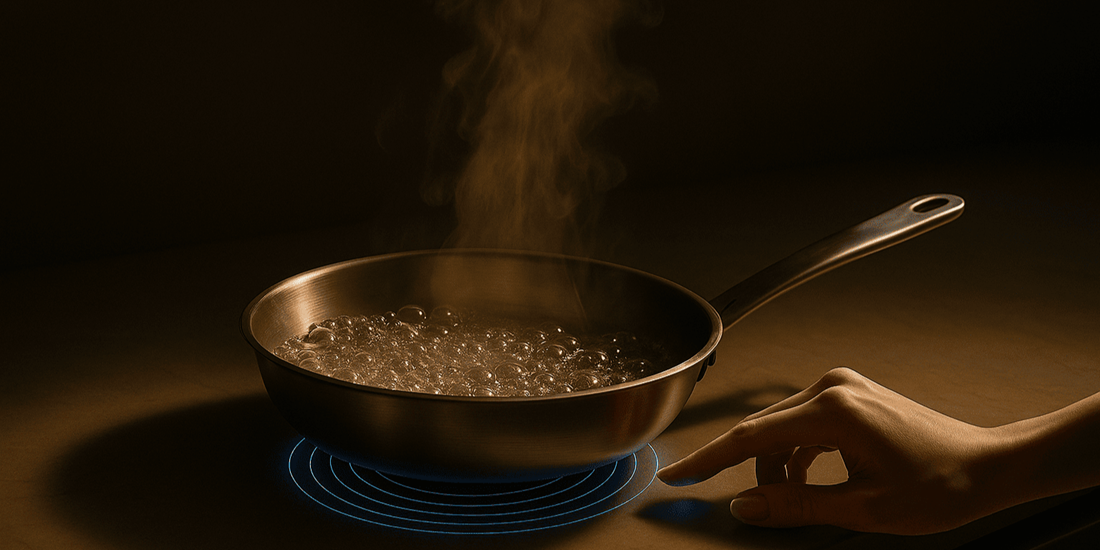
When cooking, induction-compatible cookware with a magnetic base is placed over the designated cooking zone. When not in use, the system is almost entirely concealed within the interior, allowing the surface to remain visually seamless.
The key difference therefore does not lie in changing the cooking principle, but in how the technology is integrated into the design.
A Built-In Induction Cooktop Is Not Necessarily Invisible Induction
This is one of the most common points of confusion.
A conventional built-in induction cooktop is also installed into the countertop, but its glass surface remains clearly visible. Users can still see the cooking zones, control panel, and the edges where the appliance meets the surrounding countertop.
With under-countertop induction, however, the cooking system is installed completely beneath the finished surface.
In simple terms:
Built-in induction: the appliance is recessed into the countertop but remains visible.
Under-countertop induction: the technology is installed beneath the surface so the cooking zones remain virtually hidden.
The difference may involve only a few centimeters in installation position, but it creates a completely different visual and spatial experience.
Are Under-Countertop Induction and Invisible Induction the Same?
In common usage in Vietnam, these two terms are often used to describe the same category of product.
“Under-countertop induction” emphasizes where the technology is installed — beneath the surface.
“Invisible induction” emphasizes the visual experience — the cooking zones almost disappear when not in use.
In other words, one term describes where the cooktop is located, while the other describes what the user sees.
Both point toward the same idea: removing cooking technology from direct view to create a cleaner, more seamless surface.
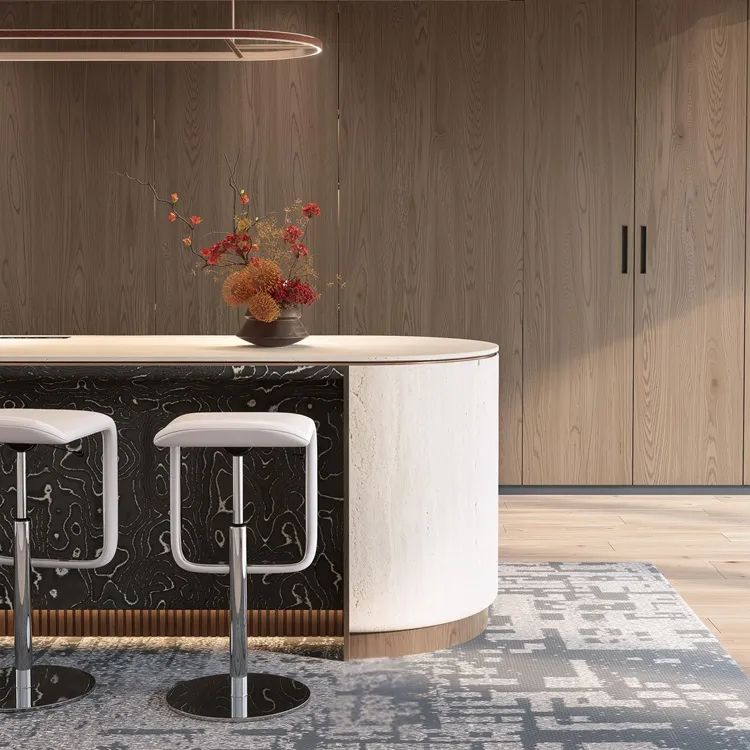
It Is About More Than Simply “Hiding” the Cooktop
Under-countertop induction is not simply a matter of placing an appliance beneath a slab of stone.
The surface material, thickness, cooking zone positions, ventilation space below, electrical supply, and installation method must all be calculated together. If these factors are not compatible, simply placing the equipment beneath the countertop is not enough to create a complete invisible induction solution.
This is also why the system should ideally be considered early in the design process, particularly when integrated into a kitchen island or dining table.
The less visible the technology becomes above the surface, the more precisely the design beneath it must be engineered.
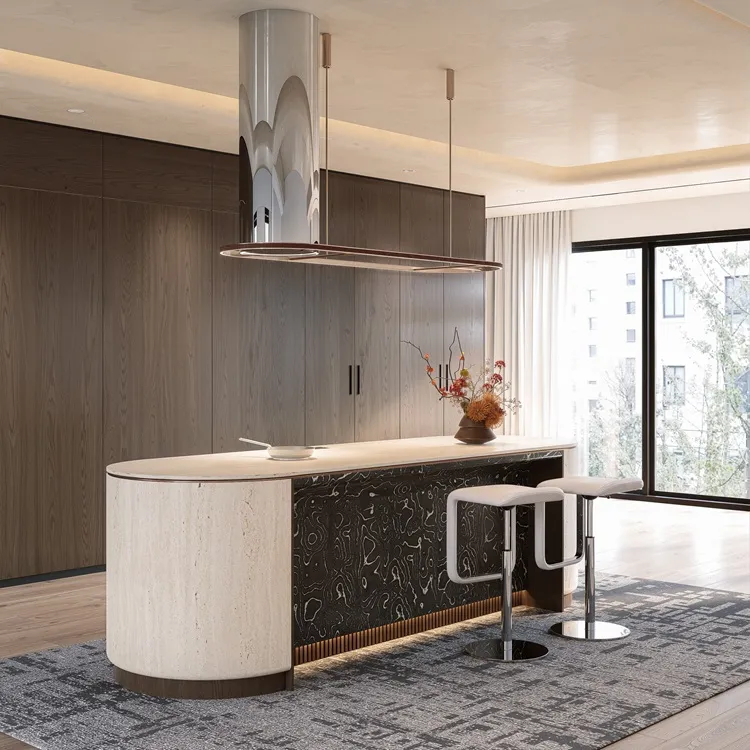
Why Is Under-Countertop Induction Particularly Suitable for Kitchen Islands?
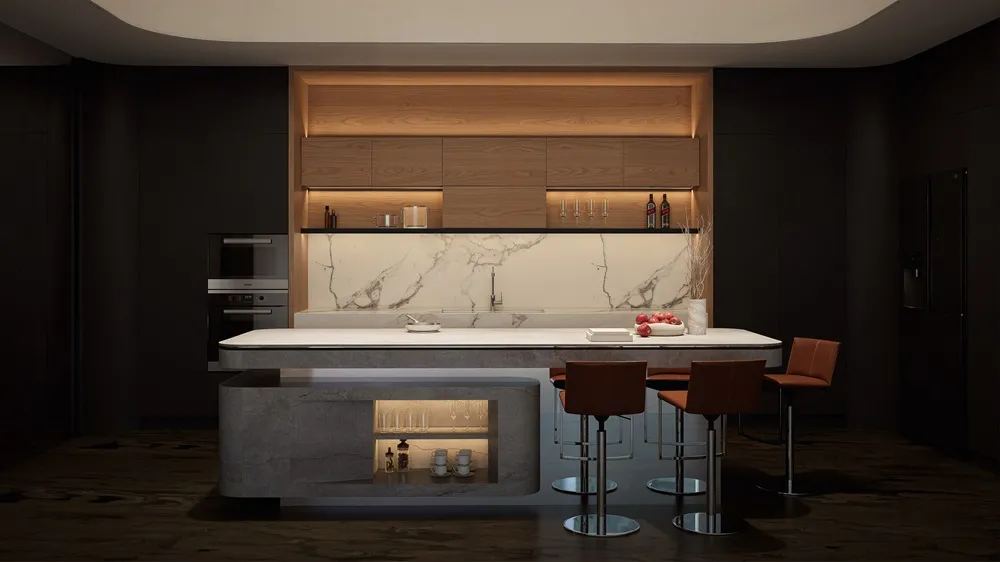
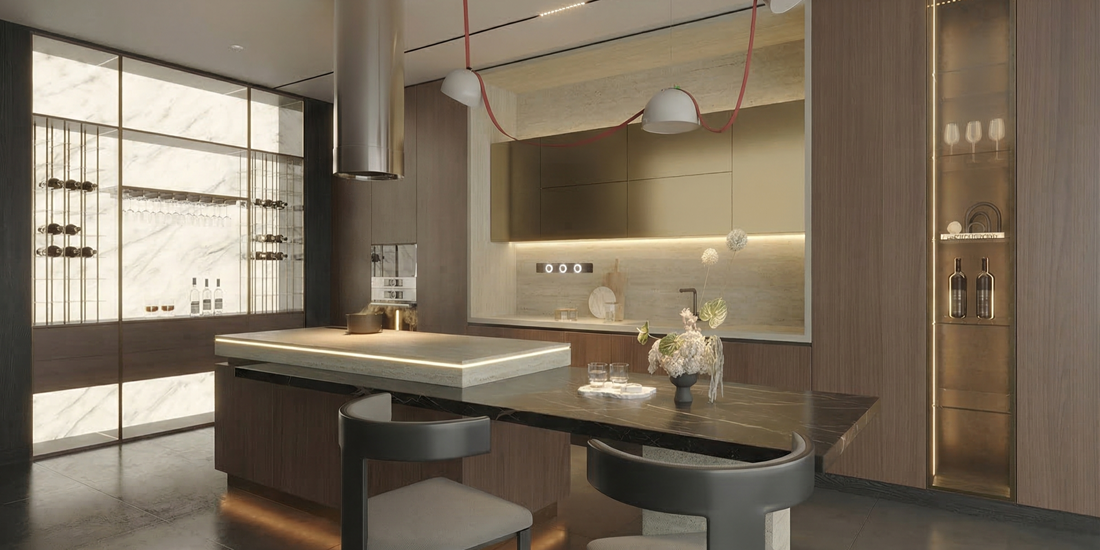
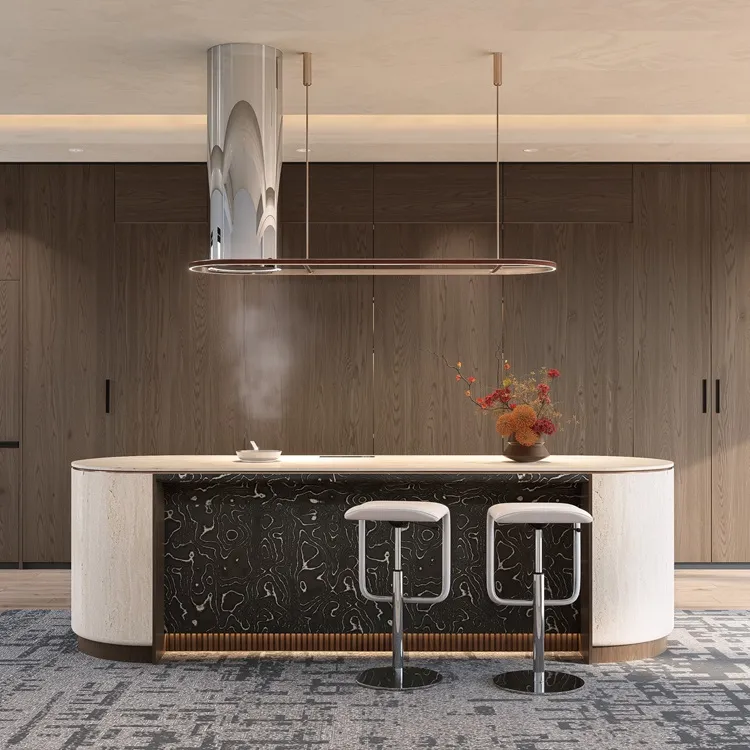
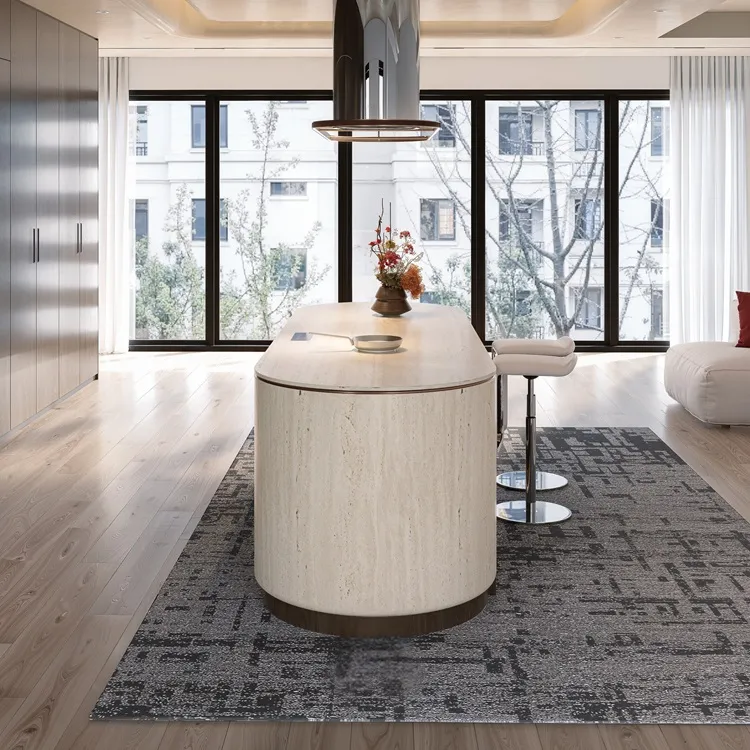
Kitchen islands are often positioned at the center of the space and viewed from multiple directions. In open-plan kitchens, a fixed glass cooktop can become a visually prominent element on the island.
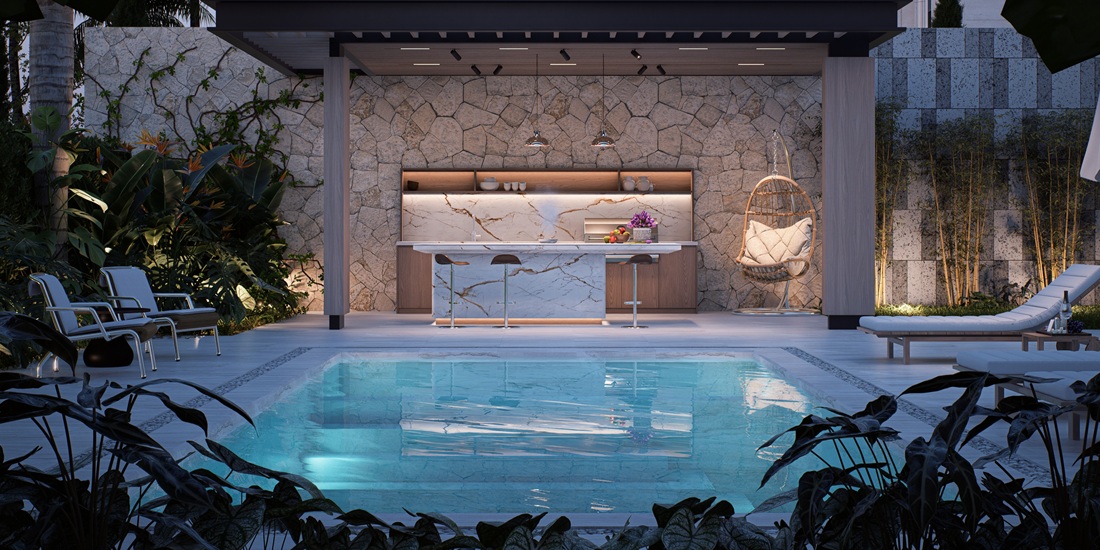
When the cooking zones are concealed beneath the surface, the countertop can maintain continuity in both material and form. As a result, the kitchen island feels more like a refined piece of furniture than a purely technical cooking area.
Beyond aesthetics, the same surface can be used for cooking, food preparation, dining, or other everyday activities when the system is not in use.
This is one of the applications where the advantages of invisible induction are most clearly demonstrated.
Not Every Stone Surface Is Suitable
Because the surface sits directly between the induction system and the cookware, the material must be selected according to the technical requirements of the system rather than based only on color or stone pattern.
Thickness, structural stability, fabrication capability, and installation method all need to be determined from the outset.
With Kartchen, invisible induction is combined with ultra-compact stone surfaces imported from Spain, allowing the equipment and surface material to be developed as one integrated solution.
→ Learn more: https://kartchen.vn/vi/bep-tu-vo-hinh-dung-da-gi
Can Under-Countertop Induction Be Installed in an Existing Kitchen?
Yes, but the existing conditions need to be assessed carefully.
If you are building a new kitchen or carrying out a full renovation, integration is generally more straightforward because the cooking zone positions, electrical supply, countertop surface, and available space underneath can all be planned from the beginning.
If the kitchen has already been completed, the existing countertop, supporting structure, and potential interior modifications should be evaluated before determining a suitable installation solution.
For this reason, under-countertop induction should not be viewed as an appliance that can simply be “added” to any existing kitchen island.
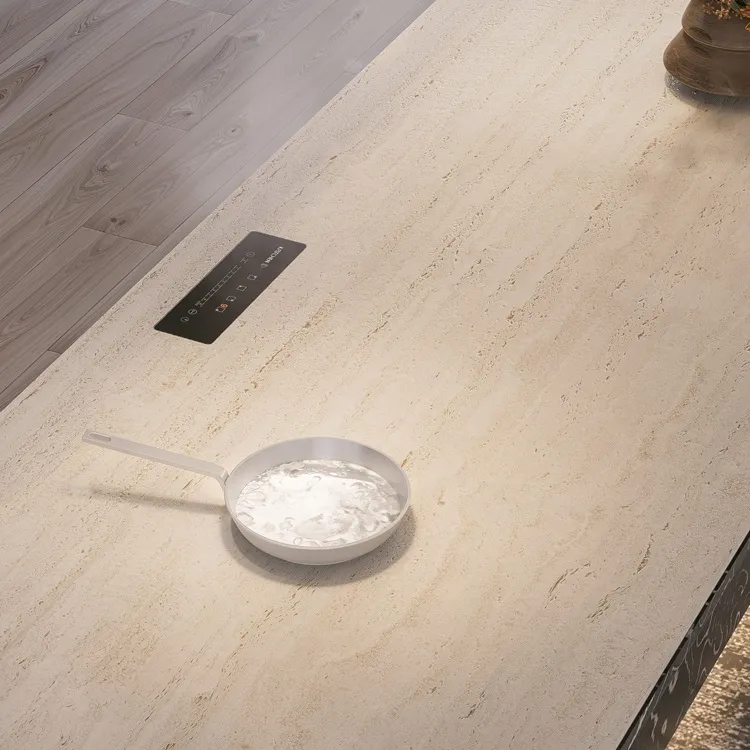
Kartchen Under-Countertop Induction
Kartchen combines invisible induction technology from Germany with ultra-compact stone surfaces imported from Spain, while positioning each cooking zone according to the layout and usage requirements of the individual space.
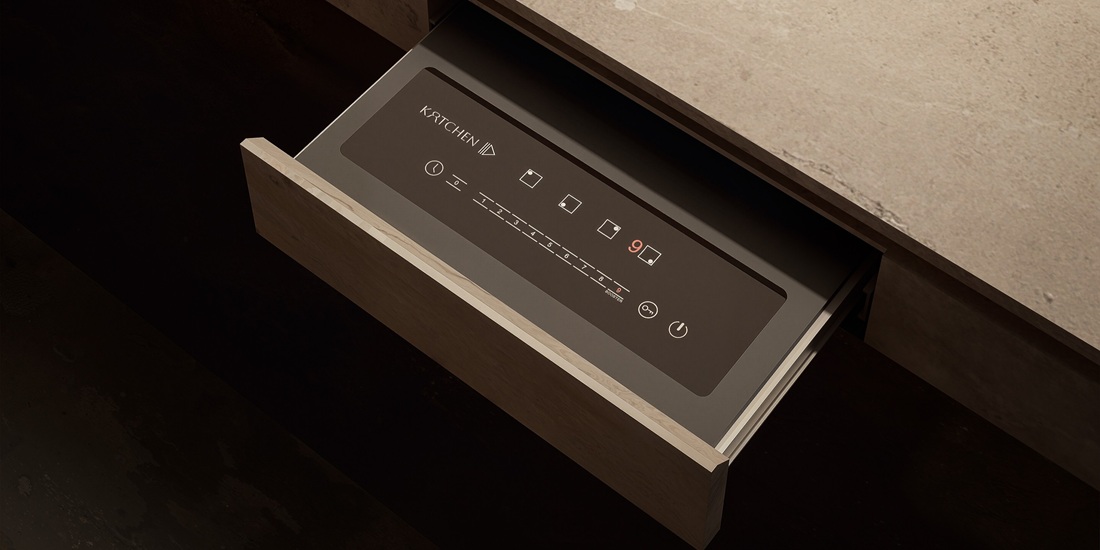
Homeowners can choose between 2 or 4 cooking zones, depending on cooking habits and available surface area. The equipment comes with a 5-year warranty and includes supporting features such as cookware detection, temperature sensors, independent timers, and child lock.
Kartchen’s approach is not simply to place the equipment beneath the surface, but to allow technology to become a natural part of the architecture.
Should You Call It “Under-Countertop Induction” or “Invisible Induction”?
Both terms can be used, but they emphasize different aspects of the system.
If you want to describe the installation method, “under-countertop induction” is the more direct term.
If you want to emphasize the design experience and the way the cooking zones almost disappear from view, “invisible induction” expresses the concept more completely.
More important than the terminology, however, is whether the system uses the right surface material, is properly designed from the beginning, and is integrated appropriately into the space.
Conclusion
Under-countertop induction and invisible induction are generally used to describe the same type of solution, in which induction technology is installed beneath the surface so the cooking zones no longer appear like a conventional cooktop.
The important distinction is that a conventional built-in induction cooktop is not necessarily invisible induction: the appliance may be recessed into the countertop while its glass surface remains visible.
Understanding this difference helps homeowners identify the right product, communicate more clearly with architects and designers, and choose the appropriate solution from the earliest stages of the project.
→ Explore Kartchen Invisible Induction: https://kartchen.vn/vi/san-pham